What 20+ Years in B2B Sourcing Teaches About Sample Approval and Mass Production Consistency
The sample looked great.
The buyer approved it.
The bulk order arrived.
And then the buyer noticed something was different.
This is one of the most frustrating situations in B2B sourcing. Not because the product is necessarily unusable, but because the product delivered is not the product the buyer thought they had approved.
After more than 20 years working with European and US customers in industrial components, we have learned an important lesson:
A good sample means very little if the supplier cannot reproduce the same quality in mass production.
We were reminded of this by a conversation with a distributor.
The Sample Was Good Enough to Approve
The distributor had received samples from a supplier.
The products looked good. The finish was attractive. The overall quality met expectations.
So he approved the samples and placed a bulk order.
Nothing unusual there. This is how B2B sourcing normally works.
A buyer evaluates the sample. The supplier provides a quotation. The buyer approves the product. Then production starts.
Simple.
Except this time, when the bulk order arrived, the distributor noticed that the products were not as good as the approved samples.
They were not completely unacceptable.
But there was a clear difference.
The finish was not at the same level. The overall appearance was not as good.
The distributor naturally asked the salesperson:
Why is the bulk order different from the sample?
The answer was surprising.
The salesperson explained that the bulk order had been offered at a much lower price.
In other words: the lower price came with lower quality.
But the buyer had not agreed to that change.
And that is where the real problem was.
A Lower Price Should Not Create a Surprise
Let’s be realistic.
Price negotiation is normal in B2B. Buyers want better prices. Suppliers want to win orders. Volume creates room for negotiation.
There is nothing wrong with that.
But there is a big difference between:
- Negotiating the price
- Silently changing the product
If a lower price requires a change in material, finishing, components, tolerances, or production standards, that should be discussed before production.
Not after the goods arrive.
A buyer should never have to discover the new specification by opening the cartons.
That is not a pricing issue.
That is a communication issue.
An Approved Sample Should Mean Something
This is particularly important when sourcing industrial components.
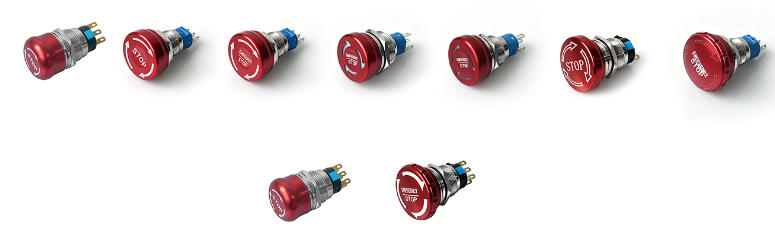
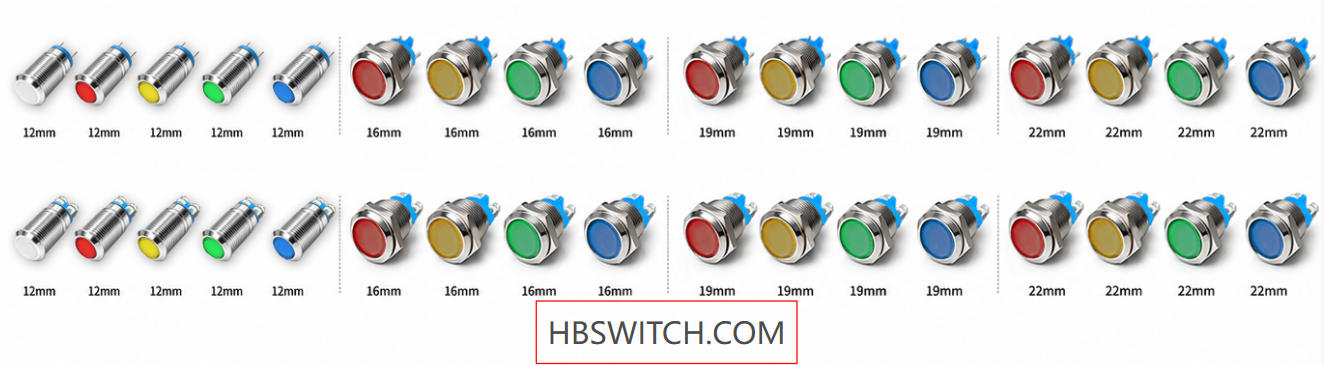
For example, when a customer approves a metal push button switch, they may be evaluating much more than whether the button simply works.
They may be looking at:
- Housing material
- Surface finish
- Button feel
- LED appearance
- Contact performance
- Dimensions
- Panel fit
- Wiring
- IP protection
- Overall consistency
The approved sample becomes the buyer’s physical reference.
So one of the questions every buyer should ask a supplier is:
“Is this approved sample the same standard you will use for mass production?”
It sounds obvious.
But it is an important question.
Five Questions Buyers Should Ask Before Approving a Sample
If you are a purchasing manager, engineer, distributor, or OEM buyer, we suggest asking these questions before placing a larger order.
1. Is the material exactly the same?
Will the same grade of metal, plastic, components, and other materials be used during mass production?
2. Will the same finishing process be used?
A sample may look excellent because extra attention was given to it. Make sure the production process can consistently achieve the same result.
3. Is the production specification clearly defined?
Do not rely only on a photograph or a physical sample. Make sure the important specifications are documented.
4. How is consistency controlled?
Ask how the supplier controls quality during production—not just how they inspect the products before shipment.
5. What happens if the mass-produced product does not match the approved sample?
This is perhaps the most important question.
Because problems can happen. Machines change. Materials change. Operators change. Suppliers change.
What matters is how the supplier handles the situation.
Quality Is Not Created at the Final Inspection
One thing we have learned from working with factories and customers for more than two decades is this:
Quality is not something you add at the end of production.
It has to be controlled throughout the process.
For industrial switches, for example, consistency can involve many small details:
- The machining
- The surface treatment
- The assembly
- The components
- The LED
- The wiring
- The accessories
- The final inspection
A product can pass a basic functional test and still look or feel different from the approved sample.
That is why good suppliers need to control the process, not simply inspect the finished goods.
The Cheapest Supplier Is Not Always the Lowest-Cost Supplier
This is another lesson we have seen repeatedly in B2B sourcing.
Imagine two suppliers.
Supplier A is 5% cheaper.
Supplier B is slightly more expensive.
But Supplier A delivers inconsistent batches.
Now the buyer has to deal with:
- Rework
- Customer complaints
- Sorting
- Delayed shipments
- Returns
- Production interruptions
- Additional inspection
- Loss of customer confidence
That original 5% saving can disappear very quickly.
This is why buyers should look beyond the unit price.
The real question is not:
“Who gives me the lowest price?”
It is:
“Who can consistently deliver what I approved?”
A Discount Is a Commercial Decision. A Specification Change Is a Technical Decision.
This is probably the simplest way to describe the lesson.
A discount is a commercial decision.
A specification change is a technical decision.
Do not mix the two.
If the buyer wants a lower price, negotiate the price.
If the supplier needs to change the specification to achieve that price, discuss the specification.
Maybe the buyer will accept it. Maybe they will not.
That is business.
What matters is that both sides know what they are agreeing to.
What We Look for When Working With Customers
After 20+ years working with European and US customers, we have learned that long-term B2B relationships are rarely built on being the cheapest supplier.
They are built on predictability.
The customer wants to know:
- If I approve this sample, what will I receive six months from now?
- If I reorder next year, will the quality remain consistent?
- If there is a problem, will the supplier tell me before shipment?
These questions matter far more than a few cents on a unit price.
This is especially true for distributors and OEM customers. They are not only buying a product. They are putting their own reputation behind that product.
The Real Value of a Good Supplier
A good supplier does not simply say:
“Yes, we can make it.”
A good supplier should also tell you:
“Here is what we can guarantee.”
And if something cannot be guaranteed, it should be discussed before the order.
That kind of transparency may not always win the cheapest quotation.
But it can build something much more valuable:
Trust.
And in B2B, trust is what turns a first order into a repeat order.
Our Simple Rule for Buyers
Before you place a bulk order, do not just ask:
“Is the sample good?”
Ask:
“Can this supplier reproduce this sample consistently at the agreed price and specification?”
That is a much better question.
Because the sample is only the beginning.
Mass production is the real test.
And after more than 20 years in B2B sales, we have learned one thing:
Buyers do not usually regret paying a little more for consistent quality.
They regret receiving something different from what they approved.
Frequently Asked Questions
Why does my bulk order differ from the approved sample?
Common reasons include material substitution, different finishing processes, undocumented specifications, inconsistent production controls, or a supplier changing the product to meet a lower price without buyer approval.
How can I ensure mass production matches the approved sample?
Document all critical specifications, confirm materials and finishing processes, ask about in-process quality control, and clarify what happens if production does not match the approved sample.
Should I always choose the cheapest supplier?
No. The cheapest unit price can lead to higher total costs through rework, returns, delays, complaints, and lost customer confidence. Consistency and predictability often matter more.
What should be included in sample approval?
Material grade, surface finish, dimensions, tolerances, components, assembly, LED appearance, wiring, IP protection, performance requirements, and packaging should be clearly documented.
Have You Experienced This in Your Supply Chain?
Have you ever received a bulk order that did not match the approved sample?
If you are sourcing industrial switches or other electromechanical components and want to discuss supplier consistency, specifications, or sample approval, feel free to connect with HAOBO Push Button Switch Supplier.
Contact our team to learn how we support consistent quality from sample approval to mass production.